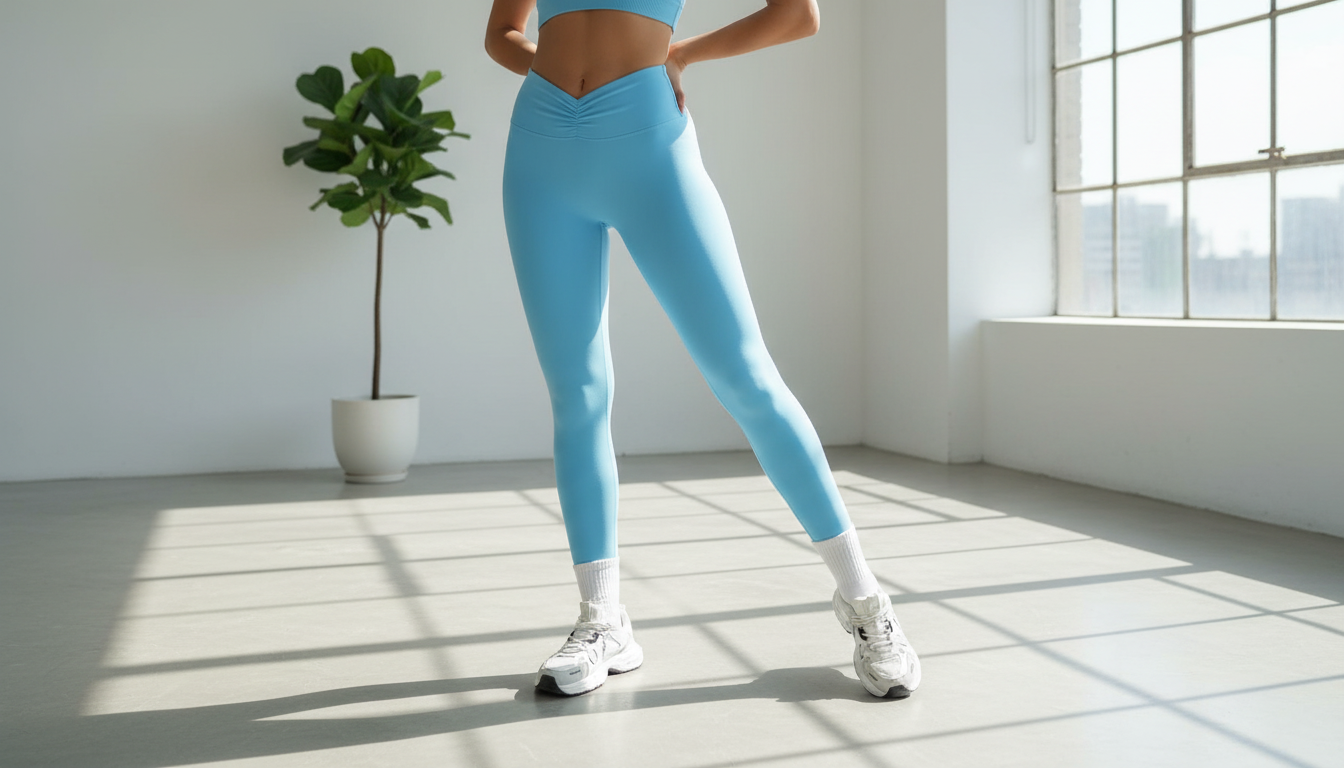
High-rise leggings can do more than look sleek—they can help keep everything comfortably supported through yoga flows, gym sessions, and everyday errands. The details that matter most usually come down to how the waistband is built, how the fabric stretches and recovers, and whether coverage stays consistent when you move. Below is a practical guide to choosing high-waist leggings that feel secure on the mat, stay polished off-duty, and hold up wash after wash.
A higher waistband helps anchor the fit at (or above) the natural waist, which can reduce rolling and keep the leggings feeling consistent through bends, squats, and twists. This is especially noticeable during transitions—think down dog to lunge—when a lower rise may shift and require adjustments.
Waistband width also changes how “supportive” a legging feels. A wide waistband distributes pressure more evenly than a narrow band, which can make long sessions more comfortable and reduce that pinched feeling when seated or folded forward. Many high-waist styles use a contoured waist and supportive knit to create stability without turning the midsection into a stiff, restrictive panel.
The best fit stays put while still allowing full breath and ribcage expansion. If the waistband feels great standing but tight when you inhale deeply or sit down, sizing up—or choosing a slightly softer compression level—often makes the difference.
Fabric determines whether leggings feel buttery-soft, slick and sporty, or compressive and sculpting. For yoga, four-way stretch is the big one: it supports movement in every direction, so lunges, warrior poses, and deep hip openers don’t feel like they’re fighting the fabric. Moisture-wicking materials can also help manage sweat during hot yoga or cardio-based workouts by encouraging faster evaporation.
Pay attention to recovery (how well the knit bounces back). A smooth, resilient knit helps avoid bagging at the knees and keeps the silhouette clean after repeated wear. Breathability matters most where heat builds up—around the waistband and behind the knees—so look for performance blends or knits designed for airflow.
| Feature | Why it helps | Best for |
|---|---|---|
| Four-way stretch | Moves without pulling or sheering | Yoga, Pilates, mobility |
| Moisture-wicking | Helps sweat evaporate faster | Hot yoga, training |
| Soft hand-feel | Comfort for all-day wear | Errands, travel, lounging |
| Resilient recovery | Holds shape after wear and wash | Frequent workouts |
For additional guidance on performance apparel considerations, the American College of Sports Medicine (ACSM) is a helpful starting point for general athletic wear education.
Coverage should stay consistent when squatting, bending, and stretching—especially around the hips and seat. Thin fabrics can look opaque when standing still, then turn sheer once they’re under tension. In general, thicker or denser knits improve coverage, and darker colors often make sheerness less noticeable.
A smooth finish can minimize visible lines and keep the look polished, whether you’re heading to class or running out for coffee afterward. When in doubt, size for comfort. Overly small sizing increases fabric strain, which can reduce opacity and shorten the lifespan of stretch fibers.
Easy, mix-and-match picks include the High Waist Yoga Leggings for Women with a breathable everyday top like the Women’s Cotton Printed T-Shirt. For a more elevated travel outfit, layering with tailored pieces can help—options like Calvin Klein Jeans Women’s Beige Trousers can be a good change-up when you want a non-legging alternative in the same capsule wardrobe.
Skip high heat when drying. Air-drying helps preserve stretch and elasticity longer, and low heat is a safer choice if you prefer the dryer. Fabric softeners are best avoided for many performance materials because they can interfere with moisture-wicking over time. For general fabric-care best practices, Good Housekeeping’s laundry and fabric care guidance offers practical, easy-to-follow tips.
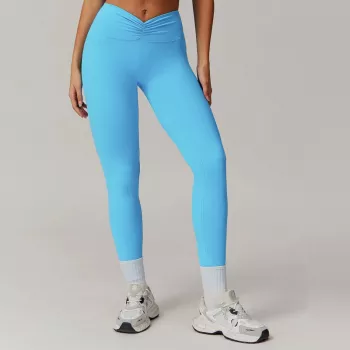
If you’re looking for a budget-friendly pair designed for everyday movement—yoga, light training, and daily wear—the High Waist Yoga Leggings for Women is an accessible option. The high-rise fit helps create a smooth waistline and a secure feel during motion, and the streamlined look makes it easy to style with simple tops and layers for a clean, athletic finish. For the latest photos and any updated details, check the product page directly.
| Item | Price | Availability |
|---|---|---|
| High Waist Yoga Leggings for Women | 14.51 USD | In stock |
They can if the waistband is too narrow, the rise is too low for your torso, or the fabric doesn’t recover well after stretching. A wide, high-rise waistband plus the right size (not overly tight) usually helps; smoothing the waistband into place before practice can also reduce rolling.
Do a squat and forward-bend test in natural light and look for any sheerness around the hips and seat. If the fabric looks strained, try sizing up; darker colors and denser knits also tend to stay more opaque during movement.
Air-drying is ideal for protecting elasticity, and tumble-drying on low heat is a reasonable backup. High heat can weaken stretch fibers over time, which may lead to sagging, loss of compression, and faster wear.








Leave a comment