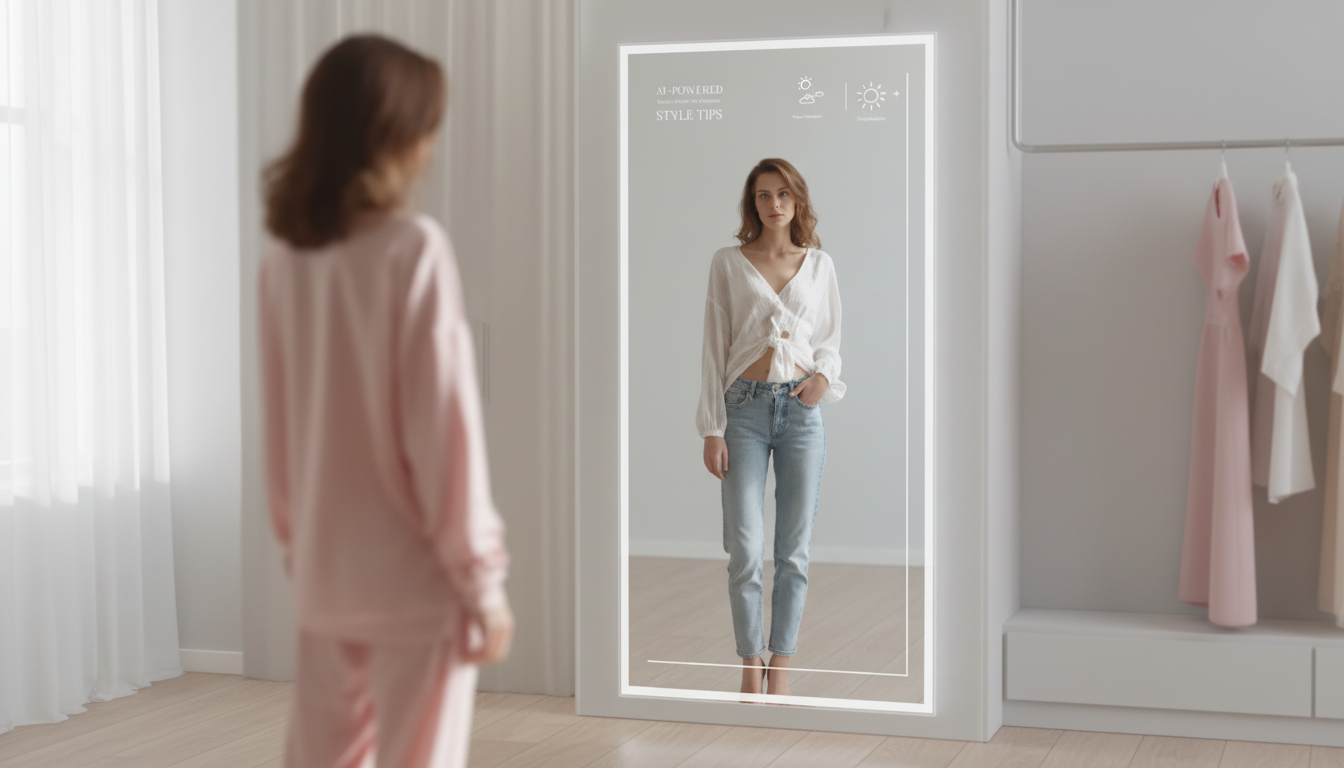
AI can turn scattered outfit ideas, closet clutter, and trend overload into clear, wearable choices. With the right inputs, it can quickly map your preferences to outfits you’ll actually want to wear, highlight what you’re missing (and what you’re duplicating), and help you shop with fewer regrets. The key is treating AI like a helpful assistant—not an all-knowing stylist—so your comfort, lifestyle, and real clothes stay in charge.
Used well, AI is great at turning your likes into repeatable outfit “rules,” such as color palettes, silhouettes, and styling patterns that match your routine. It also speeds up decision-making: outfit planning, packing lists, and “what am I missing?” checks can happen in minutes instead of hours.
Another advantage is consistency. Once you land on a few outfit formulas you enjoy, AI can keep generating variations for workdays, weekends, events, and travel without reinventing the wheel every morning.
Limits matter, though. AI suggestions depend on the details you share and may miss comfort needs, cultural context, sensory issues, or fabric sensitivities. The strongest results come from a feedback loop: save what works, flag what doesn’t, and note what you actually wore—then adjust the next set of recommendations accordingly.
A useful style profile is practical, not poetic. Start with the non-negotiables that decide whether an outfit is wearable on a normal day.
If you want a plug-and-play starting point, the AI-Powered Style Tips digital guide compiles these steps into a simple workflow you can reuse whenever your season, schedule, or style mood shifts.
The difference between “cute ideas” and outfits you’ll repeat usually comes down to specificity. Instead of asking for vague looks, ask for combinations built from your rules and real pieces.
| Goal | What to Provide | What to Ask For |
|---|---|---|
| Work outfits | Dress code, commute, 5 closet items, preferred shoes | 8 outfits + 3 layering options + 2 accessory variations |
| Capsule wardrobe | Climate, lifestyle split, colors, fit rules | 20–30 item capsule list + outfit matrix for 2 weeks |
| Event styling | Venue, formality, time of day, comfort constraints | 3 outfit options with hair/shoe/jewelry guidance |
| Shopping list | Budget, gaps, sizing notes, brands to avoid | Top 5 priority buys + alternatives + cost-per-wear reasoning |
| Trend adaptation | Trends you like, items you own, “no” list | 2 trends to try + 2 to skip + how to style with current pieces |
Beige or sand-toned trousers can read clean, modern, and flexible. Try Calvin Klein Jeans Women’s Beige Trousers as a foundation piece: pair with a printed tee for off-duty, add a structured layer for a sharper finish, and swap shoes to shift formality in seconds.
A soft graphic or print tee can look intentional when the rest of the outfit is tidy. Style a Women’s Cotton Printed T-Shirt tucked into tailored trousers, add a belt, and finish with clean sneakers or flats. Keeping the fit consistent—neither too baggy nor too tight—makes it feel styled rather than accidental.
A maxi dress becomes a shortcut outfit when accessories do the switching. Wear a Sexy Halter Backless Print Maxi Dress with minimal jewelry for daytime, then elevate it with sleeker shoes and bolder earrings for evening plans. If the dress is flowy, a slightly structured bag or shoe helps balance proportions.
As personalization gets more advanced, transparency becomes more important. Frameworks like the NIST AI Risk Management Framework and the OECD Principles on Artificial Intelligence highlight why privacy choices and accountability matter as tools learn more about preferences and behaviors.
Share lifestyle needs (work vs. casual), climate, preferred silhouettes, sizing notes, comfort rules, color preferences, and 5–10 items you already own. Add a short “avoid” list to prevent suggestions that don’t feel like you.
Yes. Start with a full inventory, choose a palette, define three outfit formulas, and build an outfit matrix using what you already have. Only true gaps—items that unlock multiple outfits—should make the list.
Require any new item to complete specific outfits, compare it against what you already own to prevent duplicates, and estimate realistic cost-per-wear. A short waiting period also helps confirm whether the item solves a real need.







Leave a comment